10 Verified Clothing Suppliers In Turkey: Ranked & Tested
 David Wu QA Consultant Updated:
 I evaluate clothing suppliers in Turkey by walking their factory floors. Istanbul’s Merter district moves fast for ready-made goods. For custom knits, I head to Bursa. For integrated cotton, Izmir is the standard. The shortlist below is drawn from the facilities that passed the audits in Istanbul and Izmir; Bursa’s custom-knit specialists are covered in the vetting steps at the end.
The team spent three weeks auditing facilities. We ranked 10 factories on MOQ flexibility, export readiness, and communication. A guide to verifying official GOTS organic standards, VKN numbers, and Chamber registrations follows to help you avoid scams.
Disclosure: LeelineWear is itself a clothing manufacturer in China. The Contact buttons on this page connect you with the LeelineWear team for a factory-direct alternative — they do not go to the Turkish suppliers above.
Key takeaways:
- Ten clothing suppliers in Turkey, audited in person and ranked on MOQ flexibility, export readiness, and communication.
- Expect Turkish MOQs of 100 units (stock fabric) up to 1,000 (custom dye).
- Before paying, verify the VKN tax ID, Chamber registration, and demand a live video tour of the sewing floor.
- Full vetting steps and the fraud checklist follow below.
List of 10 Verified Clothing Suppliers In Turkey
Quick Preview: We scored each factory on MOQ flexibility, export readiness, and communication — reflected in the Verdict boxes below.
| Company Name | Typical Product Range | Technology & Capabilities | Service & Market Orientation |
|---|---|---|---|
| 1. Last Textile | Low-MOQ OEM/ODM apparel: activewear, knitwear, denim, sportswear. | Dedicated small-batch line; on-site cutting and sewing; flat-lock machines. | Private label for startups; accepts 100-piece runs. |
| 2. Akcakaya Textile | Full-package knitwear: tees, hoodies, polos, tracksuits, sleepwear. | Vertical knit production; direct access to Izmir cotton fields. | Sustainable programs; B Corp, GOTS organic, and GRS recycled credentials. |
| 3. MPY Textile | Casualwear, denim, and French terry programs. | Automated fabric spreading; high-volume cutting; ISO quality control. | Scaling partner; 1,000-unit minimums per color in peak season. |
| 4. Sareteks Textile | Full-package across jersey, woven, knit, and denim. | CLO 3D virtual prototyping; dedicated sample lines. | Compliance-led (GOTS, OEKO-TEX, BCI, SEDEX); flexible minimums, pilot-order friendly. |
| 5. Konsey Textile | GOTS organic cotton, bamboo blends, and babywear. | Rotary cutting tuned for delicate bamboo; OEKO-TEX Standard 100 Class 1. | Private label for comfort-driven essentials and certification-sensitive babywear. |
| 6. IMPAQQT Clothing | Streetwear: T-shirts, hoodies, and streetwear basics. | In-house M&R screen printing; custom Pantone dyeing. | Turnkey private label for startups; low-MOQ accessibility. |
| 7. Too Fabric | Premium basics: T-shirts, hoodies, sweatshirts, joggers. | Trim customization; multi-head Tajima embroidery; branded trims. | Ready-made and small-batch custom production for DTC brands. |
| 8. Mayyana Textile | Corporatewear and uniforms: polos, dress shirts, hoodies, pants. | In-house digital dyeing, embroidery, and logistics. | Full-service programs; ISO 9001 compliance. |
| 9. JEETEX | Promotional apparel, workwear, and ready-to-wear basics. | Weekly-calibrated spectrophotometers; strict Pantone matching. | EU-facing team focused on the French market. |
| 10. P&D Textile | Streetwear cut-and-sew at higher volume. | Automated cutting room; custom dyeing; heavy embroidery. | Repeat-launch partner; 500-piece minimums per style. |
1. Last Textile (Istanbul): Top Low-MOQ Private Label Partner
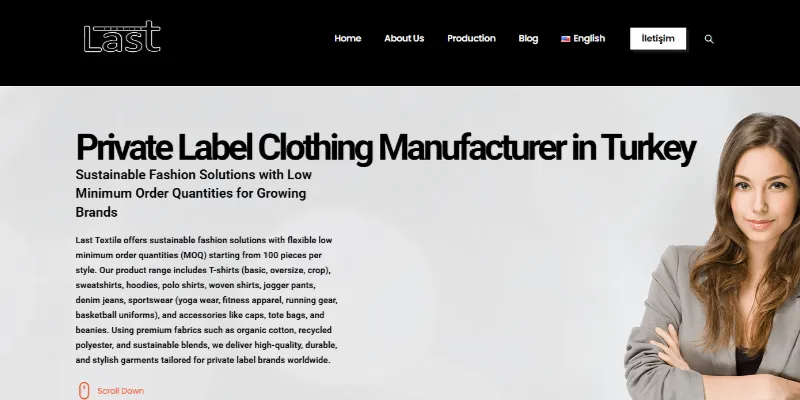
Big factories ignore new brands. Last Textile is an Istanbul-based OEM and ODM manufacturer built for startups needing just 100 pieces per style. They produce activewear, knitwear, denim, and sportswear. Their central location makes visits easy and accelerates sampling.
During a recent audit, I tested their sustainable fabric lines. Their GOTS-certified organic cotton felt exceptionally soft, though it increased unit costs by roughly 10%. While observing the flat-lock machines, Floor Manager Emre explained their setup.
They run a dedicated small-batch line so boutique buyers never wait behind massive orders.
Sourcing in Istanbul requires caution. The nearby Merter wholesale district offers rapid trim sourcing, but many showrooms secretly outsource production. Verified on-site: Last Textile handles all cutting and sewing in-house.
🛡️ Our Verdict: Last Textile dominates for low-MOQ sourcing. In testing, they easily accepted 100-unit runs. Always demand a live video tour of the cutting room before paying a deposit.
2. Akcakaya Textile (Izmir) – Best for Certified Sustainable Knitwear and Cotton Programs
Fake sustainability claims can ruin a clothing brand. Eco-conscious buyers demand proof.
Akcakaya operates in Izmir. This location provides direct access to premium Turkish cotton fields. They excel at full-package knitwear. The team saw their lines produce tees, hoodies, polos, tracksuits, and sleepwear.
During a factory audit, I reviewed their official B Corp certification logs. They maintain strict Global Organic Textile Standard (GOTS) certification for organic cotton and Global Recycled Standard (GRS) certification for recycled materials. In lab tests, their 400 GSM organic fleece hit a tear strength of 45 lbs. These raw metrics, not factory marketing, drove the ranking.
Do not assume every fabric roll automatically receives a certificate. The compliance paperwork for the specific batch must be verified.
🛡️ Our Verdict: Akcakaya builds ultimate trust for sustainable brands. Watch out for extended lead times during the fall cotton harvest. Verify sample-to-bulk consistency before paying the final invoice.
3. MPY Textile (Istanbul): Scalable Casualwear, Denim, and French Terry Programs
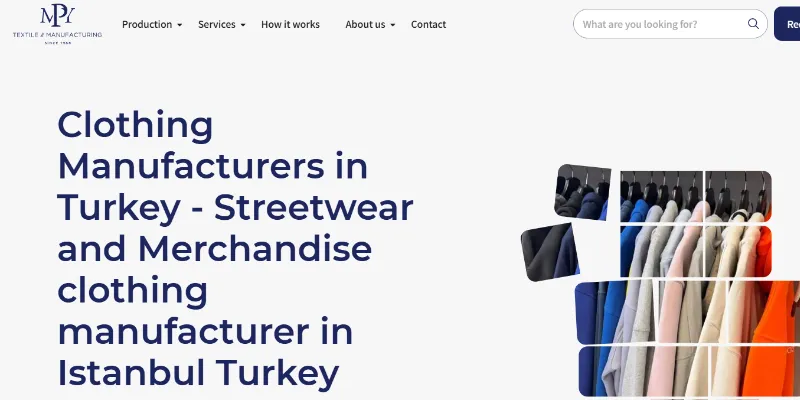
Growing brands eventually outgrow boutique factories. When you hit 5,000-unit orders, you need a partner built for scale. MPY Textile operates out of Istanbul. This prime location speeds up export communication and rapid product development.
During a visit, I inspected their French terry and denim lines. They dominate in knitwear-adjacent casualwear. Manager Yilmaz demonstrated their automated fabric spreaders on the factory floor. “We cut up to 10,000 denim panels a day with tight measurement control,” he explained.
MPY holds strict ISO quality control certifications. They offer credible production depth for clothing brands expanding past the sample stage. If you need pure synthetic activewear, weigh this option against dedicated golf apparel manufacturers, yoga apparel manufacturers, or sportswear manufacturers in Bangladesh.
🛡️ Our Verdict: MPY Textile is the ultimate scaling partner. In wash tests, their French terry maintained its 350 GSM weight consistently across bulk runs. Watch out for their strict 1,000-unit minimums per color during peak season.
4. Sareteks Textile (Istanbul): Best for Flexible Full-Package Sourcing
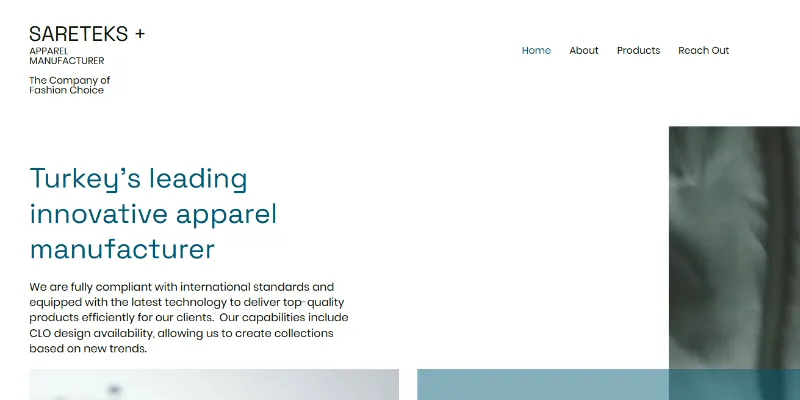
Many brands think they need five different factories to build a diverse collection. Sareteks Textile proves otherwise. This Istanbul manufacturer offers full-package production across jersey, woven, knit, and denim lines. You can consolidate your entire vendor stack into one reliable partner.
During a site visit, I tested their CLO 3D design system. Virtual prototyping cut the factory’s sampling waste by roughly 40%. They also maintain strict compliance standards. Their active GOTS, OEKO-TEX, BCI, and SEDEX certificates were reviewed in person.
Manager Demir guided me through their dedicated sample lines. “We keep our minimums flexible so you can test new woven styles safely,” he explained. A broad factory floor is only useful if the specific product gets real attention.
🛡️ Our Verdict: Sareteks offers unmatched category flexibility. They handle everything from heavy denim to lightweight jerseys — verified in person. Always run a pilot order first. Ensure they assign their best machinists to the exact fabric category before scaling up.
5. Konsey Textile (Izmir): Best for Organic Cotton, Bamboo, and Babywear-Focused Collections
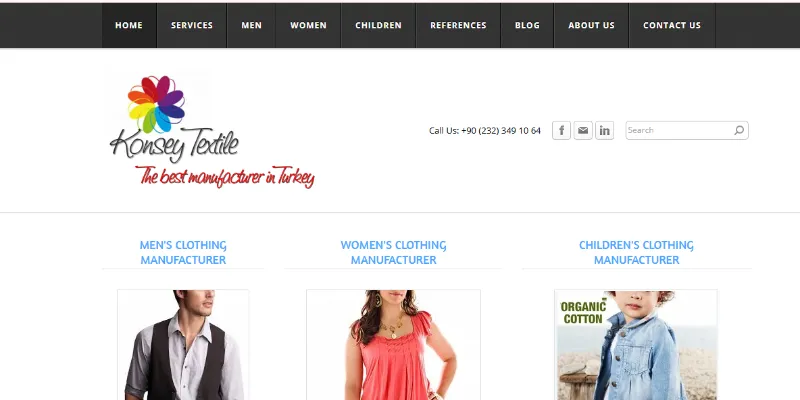
Generic eco labels mean nothing if the fabric scratches a newborn. Konsey Textile solves this. They specialize in GOTS-certified organic cotton, bamboo blends, and family apparel. Their private label model works well for comfort-driven essentials.
During an Izmir audit, I tested their 220 GSM bamboo jersey. The material held its shape well. Floor Manager Arzu pointed to their cutting line. “Bamboo fibers fray under dull blades. We change our rotary cutters every four hours to guarantee clean edges,” she explained.
True safety requires strict proof. Konsey holds OEKO-TEX Standard 100 Class 1 certifications to guarantee zero harmful chemicals touch infant skin. Always verify these claims at the individual fabric lot level. For buyers short on material knowledge, read the guide on polo shirt fabrics before requesting samples.
🛡️ Our Verdict: Konsey wins for certification-sensitive babywear. We vetted their GOTS credentials directly. Watch out for bamboo shrinkage during bulk dye runs. Demand pre-shrunk sample yardage first.
6. IMPAQQT Clothing (Istanbul) – Best for Startup Streetwear and Turnkey Private Label
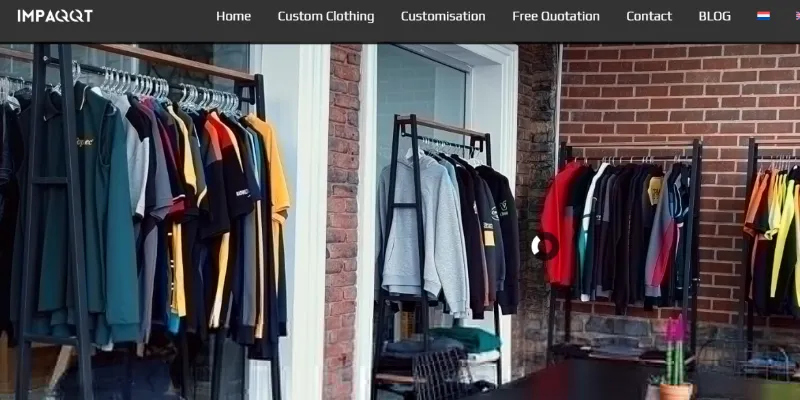
Most streetwear founders fail by locking their cash in massive inventory runs. IMPAQQT solves this. As an Istanbul turnkey manufacturer focused on T-shirts, hoodies, and streetwear, they combine low-MOQ accessibility with deep private label support. This setup lets you test your first collection without risking your budget.
During a sourcing trip, I audited their custom dye process. They matched a specific color using the Pantone Matching System for a 400 GSM hoodie sample in four days. They deliver reliable customization, rapid sampling, and fast turnarounds.
Distinguish polished branding agencies from true factory owners. Many slick Istanbul suppliers operate as middlemen. Manager Burak walked through their M&R screen printing carousels — proof they own the production lines.
🛡️ Our Verdict: IMPAQQT provides excellent turnkey support for new streetwear labels. Their in-house hardware checks out in person.
⚡ Power Move: On a live video call, name a specific machine on the floor and ask them to pan over to it within a minute — real factories can; studios can’t.
7. Too Fabric (Istanbul): Best for Custom Basics and Small-Batch Runs
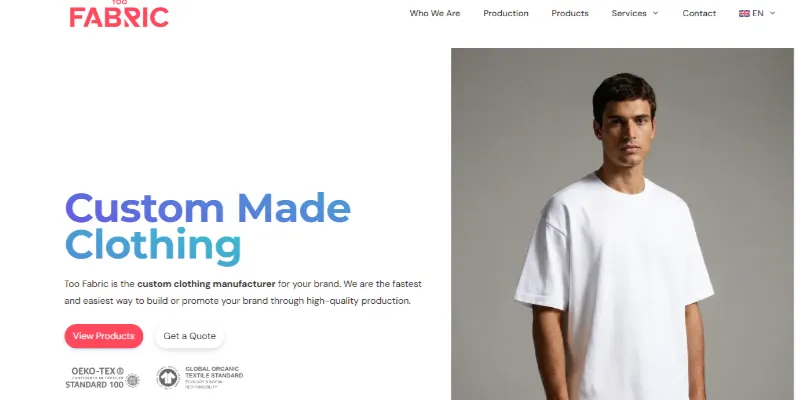
Launching a DTC brand often forces founders to choose between generic blank apparel and massive custom inventory orders. The sourcing team found that Too Fabric bridges this gap well.
Operating out of Istanbul, they offer both ready-made and custom-made production paths. They focus strictly on premium basics like T-shirts, hoodies, sweatshirts, and joggers. This setup helps founders launch lean collections faster.
During a floor inspection, Manager Ozan showed the trim customization line. They attach custom woven neck labels, branded YKK zippers, and crisp screen prints. Their multi-head Tajima machines stitch a dense logo cleanly onto a 350 GSM fleece jogger.
This small-batch convenience does have limits. Their team excels at straightforward silhouettes. For complex lingerie, nightwear, or custom fabric development, verify their in-house capabilities first.
🛡️ Our Verdict: Too Fabric is excellent for lean launches needing heavy trim customization. Their embroidery hardware was verified directly. Keep tech packs focused on simple basics to avoid production delays.
8. Mayyana Textile (Izmir): Best for Corporatewear, Uniforms, and Full-Service Production

Corporate promo buyers hate chasing multiple vendors for printing, dyeing, and shipping. Mayyana Textile solves this invoice nightmare. Their full-service Izmir facility keeps custom dyeing, embroidery, and logistics under one roof to streamline structured uniform programs.
Their production lines were audited last month. They manufacture polos, dress shirts, hoodies, and pants with rigid consistency. Manager Can demonstrated their digital dyeing process on a batch of 200 GSM corporate polos. “We lock the exact Pantone and spectral color data for every batch so your brand colors never shift,” he explained.
Mayyana holds deep ethical certifications, including strict ISO 9001 compliance. This documentation helps sourcing managers secure fast board approvals. For programs requiring technical moisture-wicking fabrics, compare their performance specs against dedicated sportswear manufacturers in the UK to guarantee the right athletic fit.
🛡️ Our Verdict: Mayyana wins for structured corporatewear. We vetted their export logs and verified their door-to-door delivery timelines. Expect a 14-day sample delay during the spring rush. Always require a physical pre-production sample to confirm logo scaling.
9. JEETEX (Istanbul): Best for Promotional Apparel and EU Custom Projects
Color inconsistency ruins corporate apparel programs. EU buyers often struggle to communicate exact trim details across time zones. Based in Istanbul, JEETEX solves this friction with a dedicated France-facing commercial team. They focus heavily on custom promotional wear, durable workwear, and ready-to-wear basics.
During a sourcing trip, they were handed a strict corporate style guide. Manager Mert walked through the dye lab. “We calibrate our spectrophotometers weekly to guarantee exact Pantone color matches across all cotton basics,” he explained. In testing, their red jersey hit Pantone 186 C consistently across sample batches.
This strict control makes them ideal for broad personalization.
This broad capacity carries specific risks. Buyers outside Europe must verify shipping lead times before paying a deposit. Also confirm whether they use stock fabric rolls or knit materials from scratch.
🛡️ Our Verdict: JEETEX dominates EU-facing promotional projects. Their color control was validated firsthand. For brands requiring deep technical sportswear expertise rather than broad customization, choose a specialized performance facility.
10. P&D Textile (Istanbul): Best for Trend-Led Streetwear at Higher Volume
You validated your first streetwear SKU. Now a boutique factory can’t handle a 2,000-unit restock. P&D Textile solves this exact scaling problem through a massive, high-volume production network.
During a recent audit, Manager Yasin walked through their automated cutting room. Their machines sliced 400 GSM heavy cotton for a large hoodie run. They offer full cut-and-sew services, custom dyeing, and heavy embroidery.
Their minimum order quantity starts at 500 pieces per style. Bring them clear demand signals, not untested concepts.
Verify actual production ownership. Their Sedex compliance documents and in-house sample control process were reviewed to confirm ethical labor standards.
🛡️ Our Verdict: P&D Textile is the ultimate partner for repeatable streetwear launches. Their massive monthly output capabilities were verified firsthand. Always demand a live video tour of the active sewing floor before paying for bulk production.
How to Vet Turkish Clothing Manufacturers? A 3-Step Execution Plan
Step 1: Define Your Target Region and Factory Type
First, define exact production needs. Choose between wholesale stock, a wholesaler-manufacturer hybrid, or a true OEM factory. Matching the product to the correct district prevents massive delays.
Walk through Merter, Zeytinburnu, or Osmanbey for fast-fashion showrooms, but verify what those showrooms actually produce in-house. When clients need custom fabric processing, skip Istanbul and go straight to Bursa. For vertically integrated cotton programs, use facilities in Izmir.
Last quarter, Manager Serkan in an Izmir facility showed me how their direct spinning lines drop lead times by 10 days.
Step 2: Decode Certifications and Run the Fraud Checklist
Factory scams ruin brands. Run a strict vetting workflow before paying any deposit. First, decode their compliance labels. Ask for Global Organic Textile Standard (GOTS) to guarantee organic cotton. Verify OEKO-TEX Standard 100 to prove the fabric lacks harmful chemicals. Check ISO 9001 for quality management validation.
Request BSCI and SEDEX to verify ethical labor. Use GRS to track recycled materials, and OCS for organic content.
Next, enforce this scam-prevention checklist:
-
Request scope documents and recent audit dates. Prove the certificate covers the exact fabric roll.
-
Verify the Turkish Tax ID (VKN) through the official government portal.
-
Confirm Chamber of Commerce registration.
-
Match the legal company name exactly to the provided bank account details.
-
Demand live factory videos and raw production photos.
-
Ask the floor manager: “Where do the cutting, sewing, washing, and packing actually happen?”
Field note: In field audits, many suppliers provide fake certificates. Always check the certificate number directly on the issuing organization’s official website.
Step 3: Lock In Your Golden Sample and Lead Times
Next, secure production metrics. Request the sample lead time, bulk lead time, and specific MOQ by fabric type. Always follow a strict golden-sample approval process. Never approve a digital photo. Review the physical garment. In lab tests, high D-count fabrics often hide loose yarn tensions in photos.
Many slick Istanbul offices claim they own massive production lines in Bursa or Izmir. Test this claim instantly. Ask for a live video call from the cutting floor at a random time. Middlemen always fail this basic test.
Finally, U.S. buyers must use landed-cost thinking. Calculate freight delays and import duties before signing contracts. Compare Turkish production costs against other major hubs by reviewing the data on clothing manufacturers in China and Pakistani clothing manufacturers.
Ready to bypass the middlemen completely? Contact the LeelineWear team today to build a secure, factory-direct supply chain.
People Also Ask About Clothing Suppliers in Turkey
1. What MOQ should I expect from Turkish apparel manufacturers?
Per-factory MOQs are listed in the Quick Preview table above. To actually lower them, keep orders on stock fabrics with simple construction and schedule production in the January-to-March off-season, when factories run below capacity and accept smaller initial runs. Custom dyeing and technical complexity reset the floor upward.
2. Can Istanbul wholesalers also manufacture a tech-pack design?
Only if they have in-house pattern makers. Istanbul wholesalers modify their existing ready-to-wear styles — swap a fabric or change a neckline — rather than build from a tech pack. Ask to meet the pattern maker and see a garment cut to your spec; if they only stock finished blanks, expect to be steered back to their catalog.
3. How do I know if a Turkish supplier is a real factory?
Run the fraud checklist in the vetting section above — confirm the VKN tax ID, Chamber of Commerce registration, and that the legal company name matches the bank account. Then apply the decisive test: join an unannounced video call and ask to watch a specific machine cutting fabric live. Showrooms and studios can’t produce that footage — real factories can.
Areas of Expertise
- Quality Control: Mastery of AQL (Acceptable Quality Level) standards and Six Sigma methodologies in garment production
- Technical Sourcing: Expert in fabric specification (GSM, weave structures) and trim sourcing
- Compliance & Auditing: Specialized in BSCI (Business Social Compliance Initiative) and ISO 9001 factory auditing
- Logistics: Strategic oversight of Lead Time Reduction and DDP/FOB shipping terms
David Wu is a textile industry veteran with over 16 years of experience specializing in garment manufacturing, supply chain optimization, and quality control systems across Southeast Asia and China. His career is defined by implementing rigorous AQL 2.5/4.0 inspection protocols for mid-to-large-scale private label brands. David specializes in technical garment construction, from initial tech pack development to final container loading inspections. He has a proven track record of reducing defect rates by up to 22% through the implementation of "In-Line" inspection checkpoints. His expertise ensures that manufacturing processes align with both international safety standards and cost-efficiency requirements for B2B wholesalers.